Why Metadata-Rich Visibility Matters in Modern Investigations

The use of metadata is nothing new – ancient Egyptians deployed this concept over 2,000 years ago, using descriptive tags to organize and summarize voluminous, hand-written scrolls. In the digital age, metadata has taken on new meaning and significance, as NetOps and SecOps teams seek out more efficient ways to garner valuable insights from an endless stream of network data.
While the value of granular forensic data remains undeniable, network metadata is emerging as the continuous intelligence layer empowering these teams to identify, prioritize, and investigate issues faster.

The New Age of Metadata
“Data about data” reaches the next plateau in the context of network monitoring, as important and concise information on IP and MAC addresses, packet counts, session durations, and much more is efficiently culled from ongoing data streams to accelerate discovery processes. Structural metadata reveals relationships between internal and external network elements, while administrative metadata like certificate information supports data integrity and compliance. Advanced software tools powered by machine learning algorithms transform this metadata into logical decisions and prioritized actions – quickly.
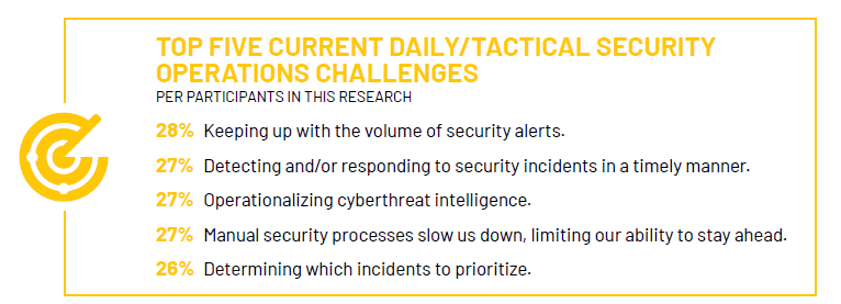
Metadata-rich visibility unlocks performance benefits including reduced mean time to resolution (MTTR) and improved bandwidth efficiency, but performance is just part of the story. The top daily/tactical challenges identified in the VIAVI 2025/26 State of the Network Study highlight the importance of metadata in mitigating network security challenges in the face of increasing complexity.
Why Metadata Matters
Exponential increases in traffic volume and diversity will continue to be the norm as AI, the IoT, 6G, and ongoing cloud migration drive explosive network and data center expansion into the foreseeable future. The sophistication and frequency of AI-driven cyberattacks also calls for highly intelligent and automated solutions. Turning readily available network data sources into actionable metadata allows NetOps and SecOps teams to stay one step ahead.
- The Need for Speed
Rapid detection and response times are no longer optional, with every second of degraded performance or active threat exposure bringing unacceptable financial and reputational consequences. Investigations can be hampered by fragmented tools and an overabundance of disjointed and disorganized raw data. Metadata-rich visibility helps teams quickly understand what happened, who was involved, how events are related, and whether a deeper forensic investigation is merited based on the severity and urgency of the issue.
- Prioritization is Essential
Metadata is also instrumental in ensuring the most critical issues are addressed first. Based on metadata alone, the initial scale and scope of an incident can be assessed, along with the conversations, domains, and endpoints requiring a closer look through granular forensic evidence or threat intelligence. This tiered approach provides greater agility while improving visibility and collaboration. Cost-effective and storage-lean metadata also extends patented VIAVI end-user experience scoring (EUE) from the network edge to the data center, isolating the contribution of the network, client, server, and application for each performance or security issue to streamline prioritization.
- Data accessibility
Ancient librarians and scribes realized that having a greater volume of data to store and review didn’t always make important insights more accessible; in fact, the opposite was often true. Metadata addresses this quandary by allowing data sets to be categorized and sorted more effectively, thereby improving searchability and making context self-evident. Insights gleaned from network metadata expand beyond the “who, what, and where” to encompass important interactions, patterns, and dynamics behind each performance degradation or anomaly.
Metadata is the Common Currency
Each player and tool must work in harmony to produce a winning team, including NetOps and SecOps teams seeking to improve network reliability and performance. Metadata helps to fortify and unify these teams by correlating performance and security within a common operational window. This transformation eliminates silos, accelerates decision-making, and promotes more confident issue resolution.
Observer Apex sets the stage for unified NetSecOps workflows, with foundational flow, metadata, and log visibility harnessed to address either security or performance use cases. Each sub-team leverages the power of in-depth forensic storage analysis and threat intelligence to expand investigations when necessary. While NetOps rely on this visibility to understand performance issues and application behavior, SecOps teams use the same pool of shared evidence to validate alerts and investigate suspicious activities.
VIAVI Observer Apex is Redefining Metadata
Observer transforms network traffic, flow, and log-based telemetry into continuous performance and security (threat) intelligence. Disjointed traffic is converted into rich metadata, allowing teams to investigate performance and security issues more quickly and easily than ever before. NetOps and SecOps reap the benefits of shared visibility and actionable context, with the flexibility to add forensic evidence and threat intelligence as investigative requirements grow.
With Observer Apex providing the operational and intelligence layer that brings Observer data sources together, industry leading analytics, threat intelligence, and threat forensics come together in one user-friendly interface, with flexible dashboards to address the needs and priorities of each user.