Streamlining Sensor Integration and Validation with the SDL-64 Data Logger
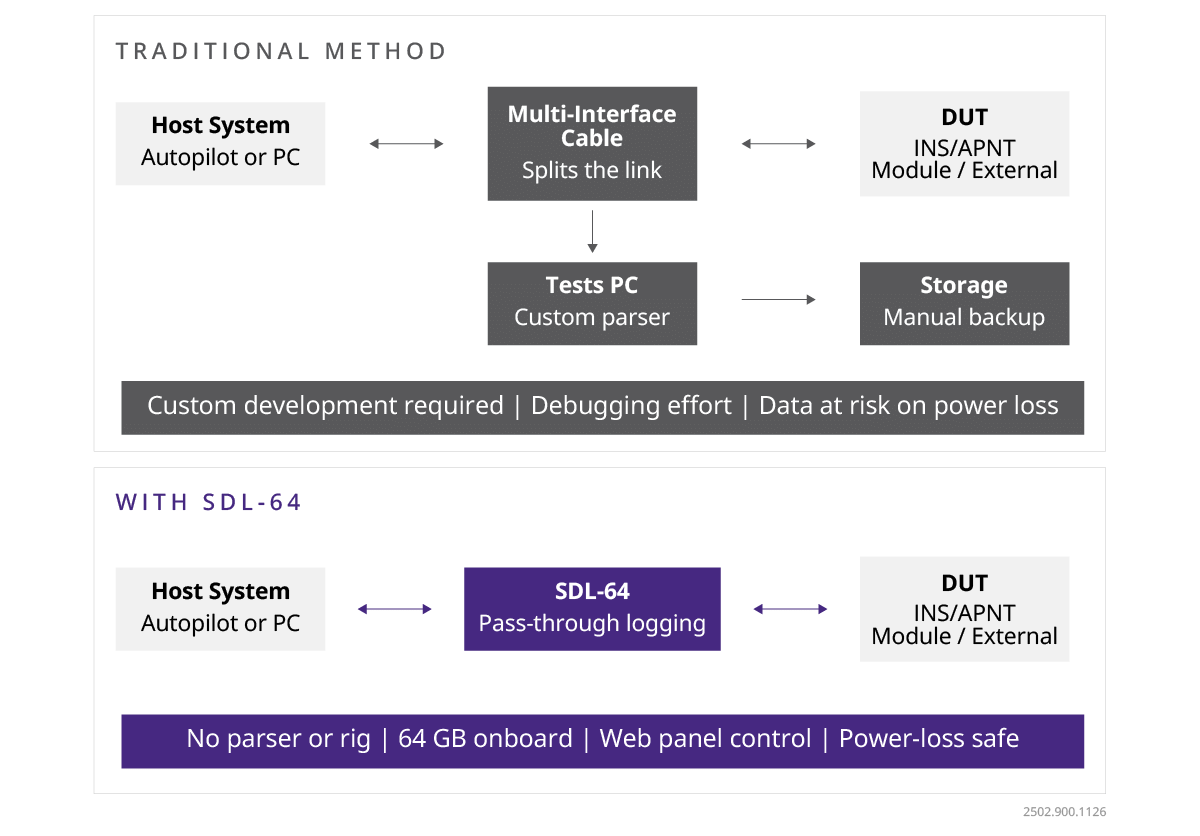
Qualifying an Inertial Navigation System (INS) takes significant time. A key reason for this is that test infrastructure needs to be built from scratch. Integrators therefore need to write a parser for the sensor output, assemble a rig to capture data, and set up storage and backup. Additionally, each step needs debugging to ensure the results are accurate and trustworthy.
This changed this week with the introduction of the SDL‑64 from Inertial Labs, a VIAVI Solutions Company. This standalone plug-and-play data logger is used during (and after) qualification and can be installed in-line between the host system and an Inertial Labs or third-party device under test. The SDL‑64 automates the process of writing parsers and building test setups when evaluating a device, streamlining workflows and accelerating time to results.
Skip the Parser and the Test Rig
The SDL‑64 captures RS422, RS232, and CAN traffic simultaneously, with timestamps given to each record. This data is written to the data logger’s 64 GB of onboard industrial storage, with conditions (temperature and power consumption) for each session logged.
Engineers can run all verifications from an embedded web panel, which is served via either Gigabit Ethernet or USB-C. Through this, sessions can be started or stopped, interfaces can be configured, live telemetry can be monitored, and files downloaded, all without needing to install a host-side application.
During validation, the same unit controls the Inertial Labs device while it logs, so one box covers the capture and control steps that previously required separate tooling.
Validate Without Changing the Device Under Test
The SDL‑64 passes RS422, RS232, CAN, and GPIO signals through transparently on matched 15-pin D-Sub connectors and records every byte in both directions. This allows both host software and device firmware to stay as they are, with the link staying up. As a result, the integrator is recording what the vehicle system and the INS actually exchanged.
This is important because evidence is more trustworthy when it comes from an unmodified setup. It also takes less time to produce and there is no additional need to prove that the test rig is sound.
Planning for Failure
Vehicles fail during testing. When they do, the data from that moment is often the most valuable. An onboard supercapacitor keeps the SDL‑64 logging for a brief window after power drops, then flushes buffered data and shuts the unit down safely so no file is corrupted.
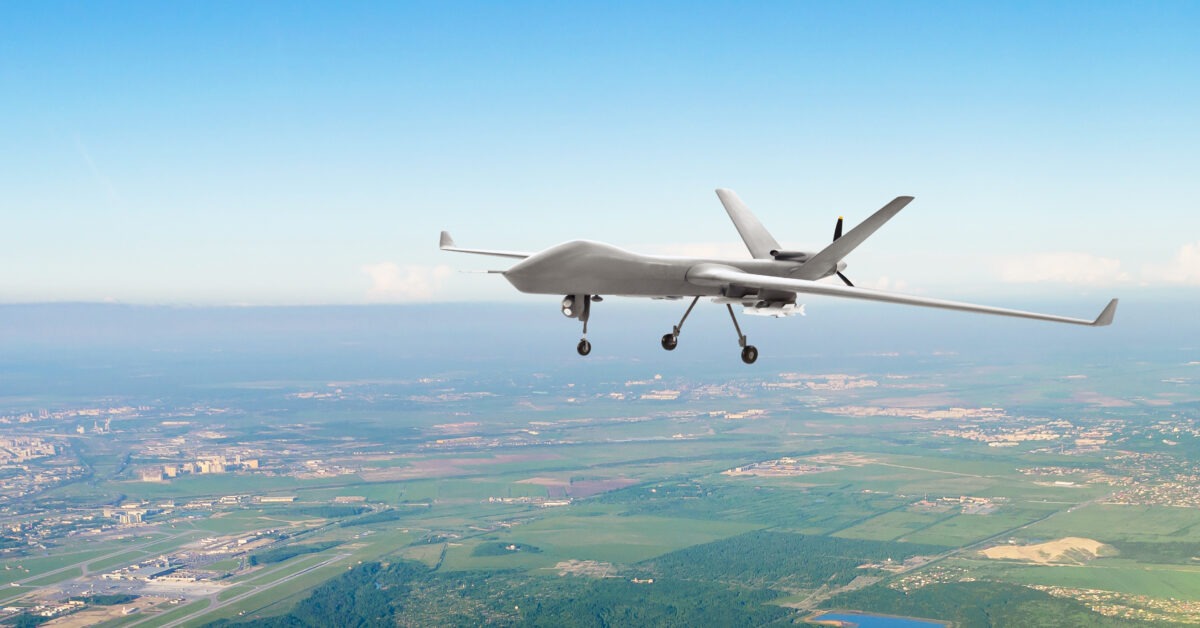
This feature also enables it to be used as a flight recorder in unmanned aerial vehicles (UAV), allowing data to survive and teams to uncover the cause of an event instead of repeating the test.
Continuous Operation
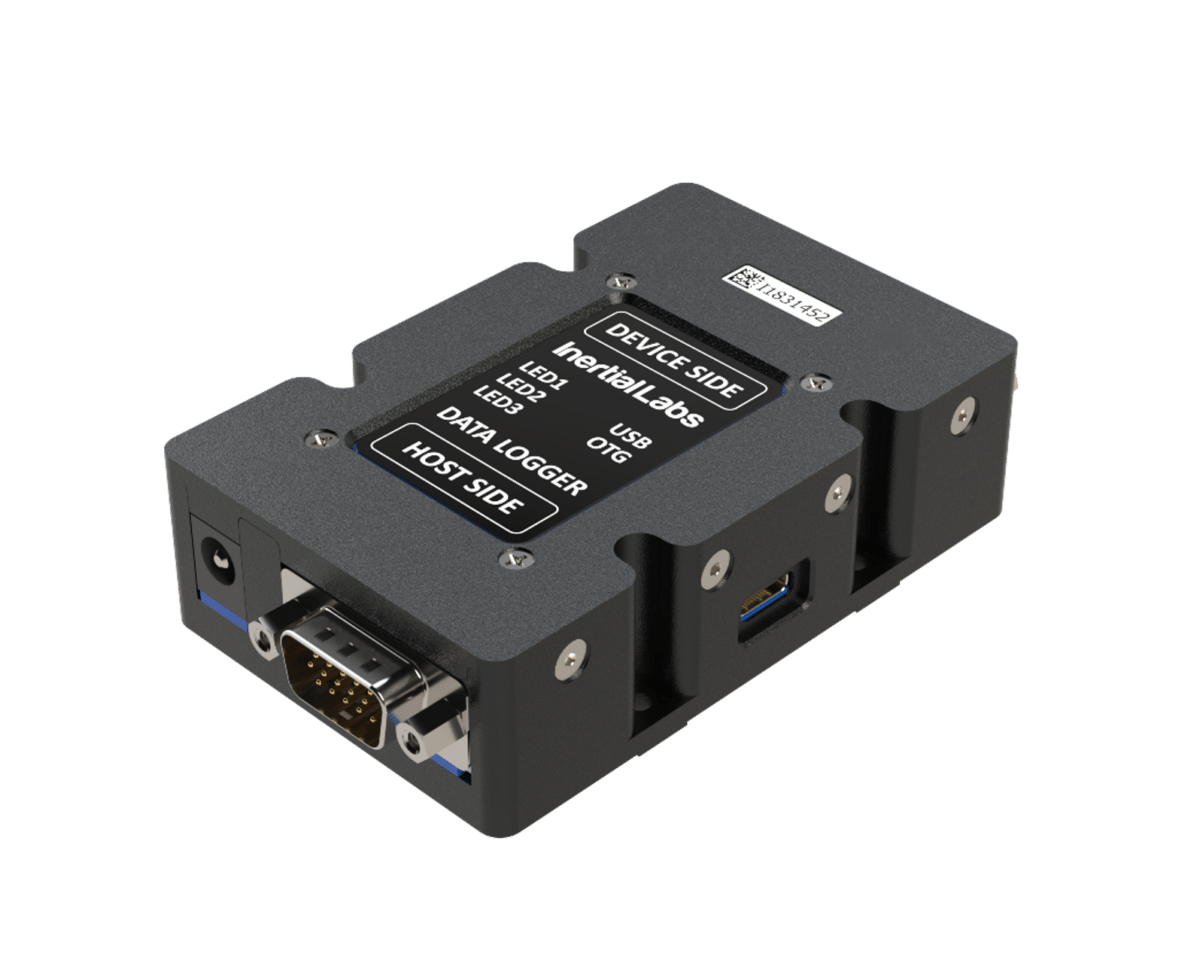
Long test campaigns on both small airframes and larger vehicles need recording without external attention, requiring the logger to be small, light, efficient and able to operate in all environments. The SDL‑64 has been designed for this and measures 58 x 102.5 x 25 mm, weighs just 164 g, runs from 6 to 32 VDC, draws less than 2 W and operates from -40 to 80oC.
Additionally, its onboard storage recycles by design so logging never stops. When free space drops below an adjustable threshold (5% by default), a status LED blinks red and the logger begins to overwrite the oldest records.
The same capabilities work beyond qualification, including for collecting field data for post-mission trajectory reprocessing, tracking down intermittent faults on deployed serial links, and verifying protocols during customer integration and factory tests. And stationary systems that need a continuous record can use the SDL‑64 the same way a vehicle does.
Vendor-Neutral
The SDL‑64 also records third-party devices and includes a wide range of interfaces (three RS232 ports, one RS422 port, one CAN bus, and GPIO) to support this. Teams evaluating more than one sensor can use one logger across the bench.
For further information on the STL-64 and how it can be used to shrink qualification timelines and to avoid writing a parser, please click here or contact the Inertial Labs team at il.sales@viavisolutions.com.